When you have a wound from an accident or surgery, the following simple things should help you to heal well and reduce the chance of dis-functional scarring.
1 – Keep the Area Dry
Try not to immerse your wound in water for long periods of time. This can cause any scabs to fall off meaning the healing process needs to start again. The scab is nature’s plaster and keeps out dirt and germs whilst the new skin is forming underneath. When it’s ready, it will fall off by itself.
2 – Don’t pick scabs
As in number 1, you need the scab to stay intact until the new skin has been fully formed. Although scabs can be irritating, they do a great job. Picking the scab opens you up to infection, delays healing and may result in a more noticeable scar.
3 – Don’t Strain the Wound
When your wound is in the healing stages, try not to put any strain on the area, which could hinder healing and cause more scar tissue to be produced. Aim to avoid any activity that stretches the skin and risks opening or widening the wound. Kinesiology taping can be helpful in reducing strain on the skin.
4 – Eat well
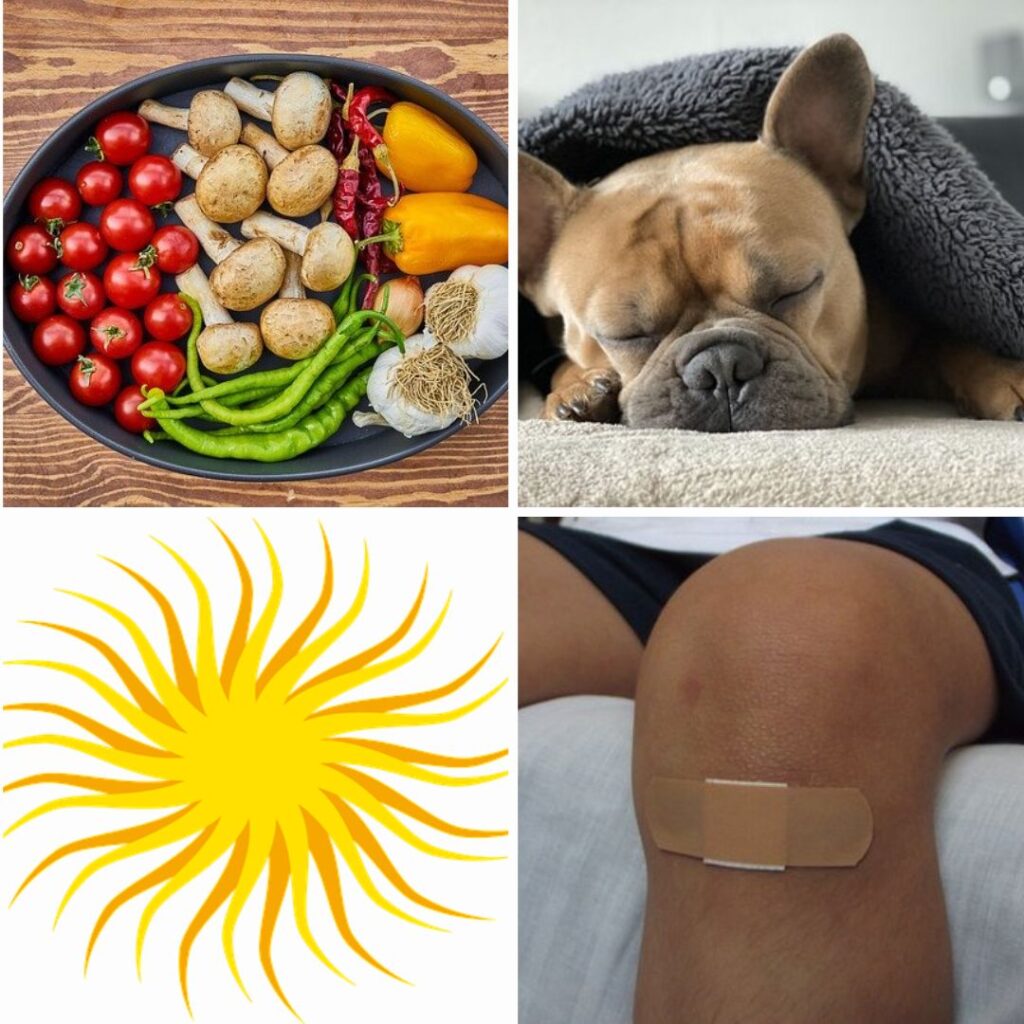
Your body needs certain building blocks in order to repair itself. It will get these from the foods you eat. For example – Proteins, Vitamins and Minerals. Vitamin C is known to help heal wounds and prevent infection. A healthy and varied diet should supply what is needed.
5 – Get plenty of Sleep
Your body heals itself when in periods of restful REM sleep. Getting plenty of rest means your damaged tissues are able to rejuvenate more quickly.
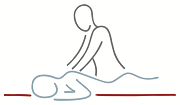
6 – Get a Massage
While all-over massages are great for the entire body, focused massage on the wound area can help it to heal faster. Once the wound is closed, give yourself a little massage every day. You can do this with clean, dry hands or whilst applying some natural moisturiser. See my blog on Lotions and oils (link)
If you would like help in this area, to find out what to do yourself and what a professional can offer, please look at my Scarwork™ page (https://sportsmassageearley.co.uk/services/scarwork-earley-reading) or get in touch to discuss (https://sportsmassageearley.co.uk/contact).
7 – Wear Sunscreen
Before heading outside, apply a high SPF sunscreen, or wear SPF rated clothing. Scarred skin tends to be thinner that the original and can burn easier. Scar tissue can also tan unevenly due to disruption of the melanin in the skin. Keep scars out of the sun for a couple of years after the wound has healed. This is the maturation phase when the body is healing and adapting the most.
8 – Check the ingredients
If you are going to apply any lotions or creams to your wound/scar, please check the ingredients. Your new skin will be fragile and thinner than the original. Think of baby skin. Anything you apply should be light and natural. If you are aiming to reduce and/or soften the scar tissue, look out for Silicone/Dimethicone. This ingredient has been shown to help reduce the formation of scar tissue. It can be bought in gel form or as a sheet to lay over the wound, like a plaster. You can buy these sheets and tubes of gel from high street chemists or on-line.